At CYMEK PETROCORR LIMITED, we are committed to excellence in the Oil and Gas Sector and beyond. With a steadfast dedication to quality, safety, and innovation, we bring top-notch engineering solutions to the Nigerian petroleum industry. Explore our comprehensive range of services and discover why CYMEK PETROCORR LIMITED stands as a beacon of trust and reliability.
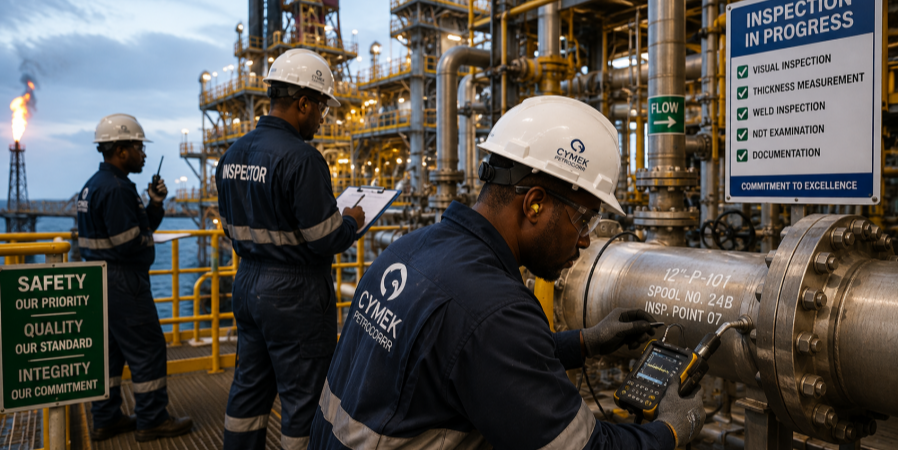
We provide reliable inspection services designed to assess the condition, integrity, safety and operational readiness of critical oil and gas assets and industrial infrastructure.
Comprehensive Inspection & Integrity Assurance
At CYMEK PETROCORR LIMITED, our inspection services help operators identify defects, degradation, corrosion, material weaknesses and other integrity concerns before they develop into costly failures or operational incidents.
Our approach combines experienced inspection personnel, appropriate inspection techniques and detailed reporting to provide clients with the information required to make informed maintenance, repair and asset-integrity decisions.
Inspection Solutions for Critical Assets
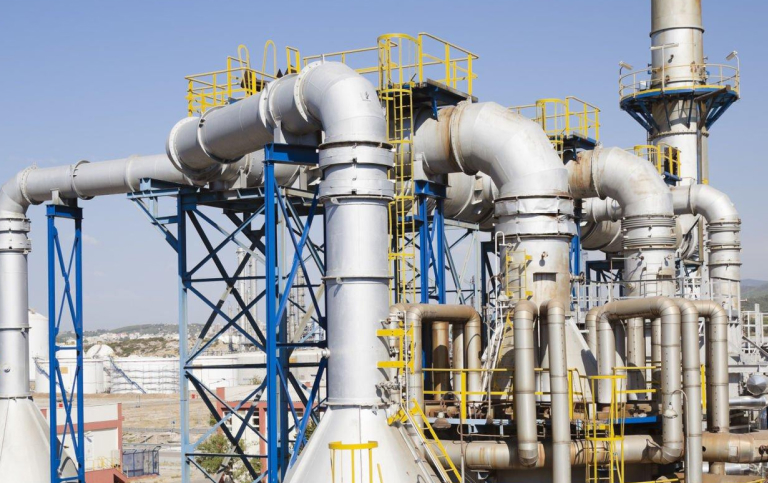
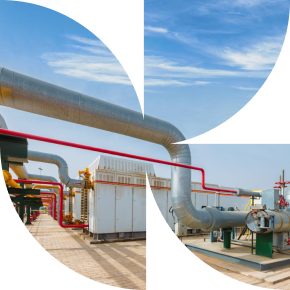
Our inspection services can be applied across production facilities, pipelines, process equipment, storage facilities, drilling infrastructure and other industrial assets. Inspections are planned according to the equipment type, operating conditions, inspection objectives and applicable technical requirements.
Visual Inspection (VT)
Non-Destructive Testing (NDT)
Ultrasonic Thickness Measurement (UTM)
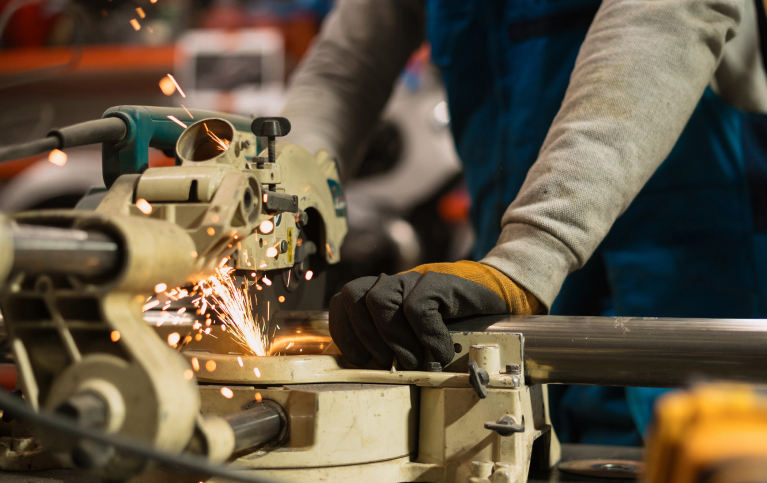
Weld & Fabrication Inspection
Pipeline & Piping Inspection
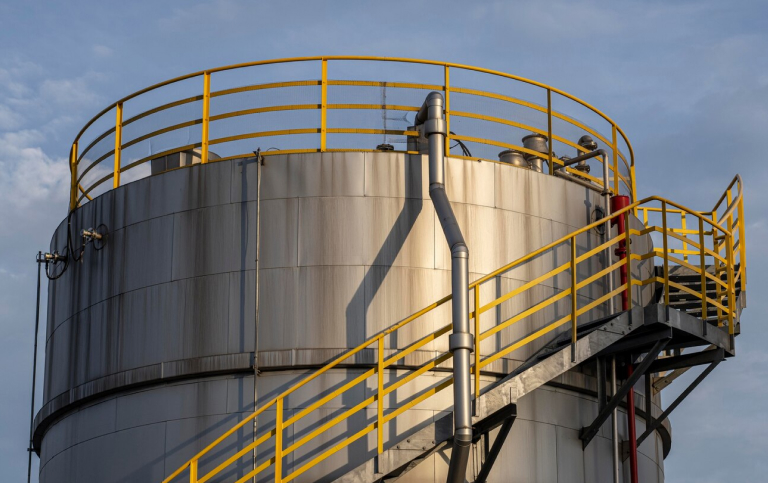
Pressure Vessel & Storage Tank Inspection
Effective inspection starts with understanding the asset, its operating environment and its failure mechanisms. We support clients through inspection planning, field execution, data collection and technical reporting.
Inspection Across the Asset Lifecycle
Our inspection support can be deployed during fabrication, installation, commissioning, operation, maintenance and turnaround activities.
We help clients establish a clearer understanding of equipment condition, detect developing defects and support proactive maintenance decisions that improve reliability and reduce the likelihood of unplanned shutdowns.
Inspection Coverage & Asset Integrity
Our inspection programs are structured around the condition, criticality and operating environment of each asset. Inspection findings provide the technical basis for prioritising maintenance, repairs and further integrity assessment.
Questions? You’re covered
Our inspection specialists help clients determine the appropriate inspection approach based on equipment type, operating conditions, materials, accessibility and integrity objectives.
We can support inspection activities across a wide range of oil and gas and industrial assets, including pipelines, process piping, pressure vessels, storage tanks, structural components, fabricated equipment, welded joints and associated mechanical infrastructure. The inspection method and scope are determined by the asset type, condition, service environment and inspection objective.
Visual inspection involves direct examination of an asset to identify visible conditions such as corrosion, cracking, deformation, coating deterioration, leakage and mechanical damage. Non-destructive testing uses specialised techniques to detect or evaluate discontinuities that may not be visible through ordinary visual examination. The appropriate NDT method depends on the material, component geometry and suspected defect mechanism.
Ultrasonic thickness measurement is commonly used where wall-thickness loss is a concern, particularly on pipelines, tanks, vessels and process piping. Measurements can establish remaining wall thickness and help identify areas of localised or general thinning. Repeat measurements can also support condition monitoring and corrosion trending.
Some inspection techniques can be performed while equipment is operational, subject to the equipment design, accessibility, process conditions, safety requirements and the specific inspection method. The inspection plan should establish whether the equipment requires shutdown, isolation, depressurisation, cleaning or other preparation before inspection.
The method is selected based on factors such as material type, component geometry, accessibility, expected defect mechanism, defect orientation and required detection capability. Depending on the application, techniques such as UT, MT, PT, RT or VT may be considered.
An inspection report may document the equipment inspected, inspection scope, locations examined, techniques used, measurements obtained, observed defects or anomalies, photographic evidence, test results and recommendations. The exact reporting format depends on the project requirements and inspection scope.
Yes. Inspection findings can provide important technical information for maintenance planning, repair prioritisation and further integrity assessment. Where significant defects or deterioration are identified, the appropriate engineering or integrity-management process should determine the required corrective action.
Yes. Inspection activities can be integrated into planned shutdown, maintenance and turnaround programs where required. Early planning is important because equipment access, cleaning, isolation, scaffolding, permits and other site requirements may affect the inspection schedule.